Overview
This project focused on designing a real-time expert service platform that enables users to connect with experts through public and private audio, video, and text sessions. The platform evolved from open live interactions into a service-based commerce system with wallet payments and expert-specific subscription packs.
I led the end-to-end product design across multiple phases, balancing engagement, trust, monetization, and long-term retention in a mobile-first, real-time environment.
Problem
Users were interested in learning from experts and seeking real-time guidance, but lacked a clear path to evaluate expertise, build trust, and transition into paid interactions. Existing solutions were either:
Too passive, offering one-way live content without meaningful interaction, or
Too transactional, requiring heavy booking and payment friction before value was established.
At the same time, experts needed flexible ways to showcase their expertise, engage audiences, and monetize their time without committing to rigid schedules.
The challenge was to design a system that:
Builds trust before monetization
Supports real-time interactions without friction
Encourages long-term expert relationships rather than one-off transactions
Goals & Success Criteria
The primary goals were:
Enable experts to demonstrate value through live interactions
Help users discover and confidently choose the right experts
Introduce monetization without disrupting real-time engagement
Support recurring connections through subscription-based access
Success was measured by:
User engagement in live sessions
Adoption of paid expert connections
Repeat usage and subscription uptake over time
Constraints & Context
Mobile-first only, with limited screen space
Real-time audio, video, and text interactions
Service-based commerce (selling time and access, not physical products)
Monetization could not be introduced too early without harming trust
My Role
Product Designer responsible for end-to-end experience design, including:
User flows and interaction design
UI design across live, discovery, and payment experiences
Collaborating with product and engineering on feasibility and trade-offs
ScopeTeam
2 PM · 6 Engineers · 2 QA
Timeline
2024–Ongoing
Design & Product Evolution
Phase 1 —
Public Live as the Foundation
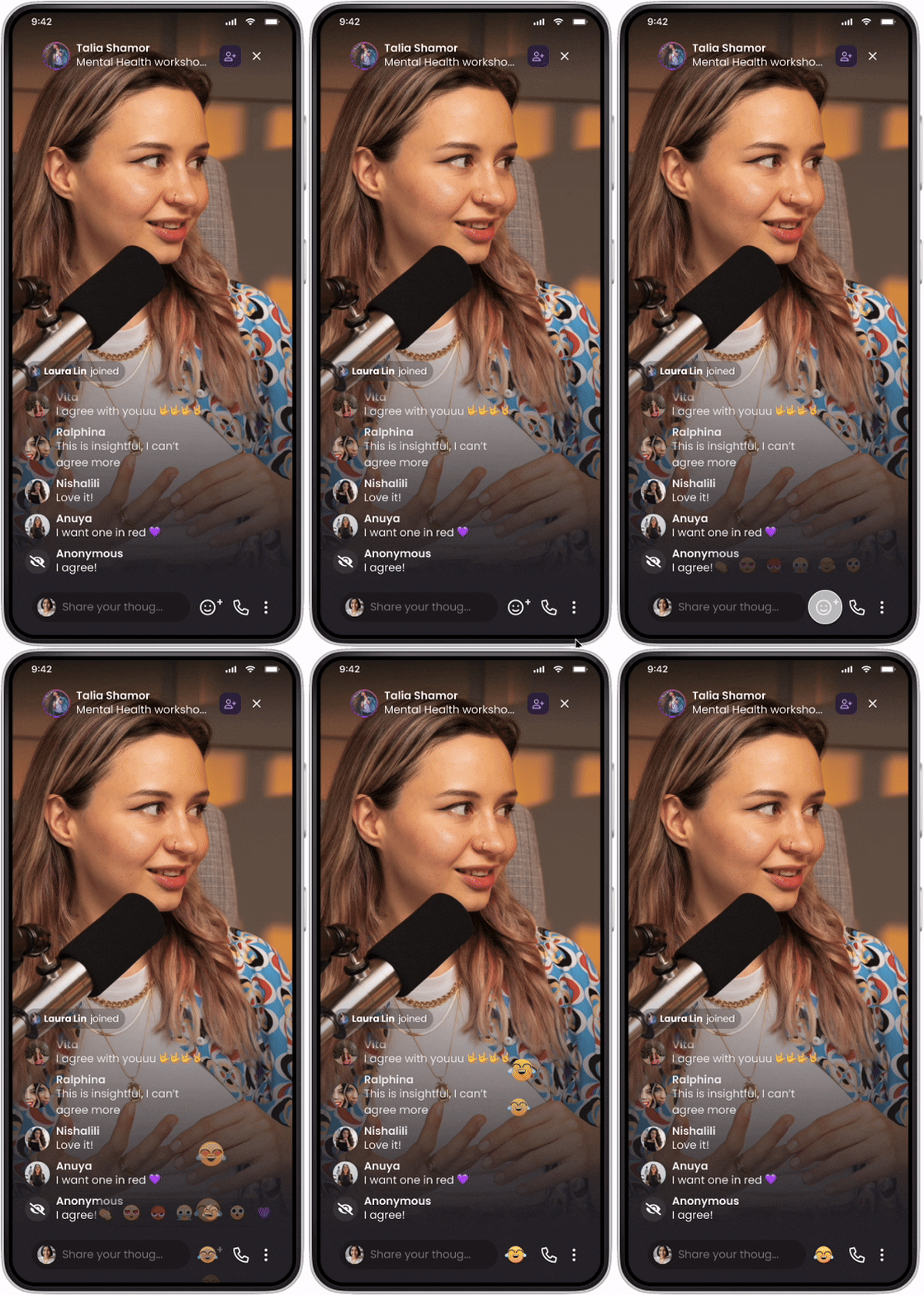
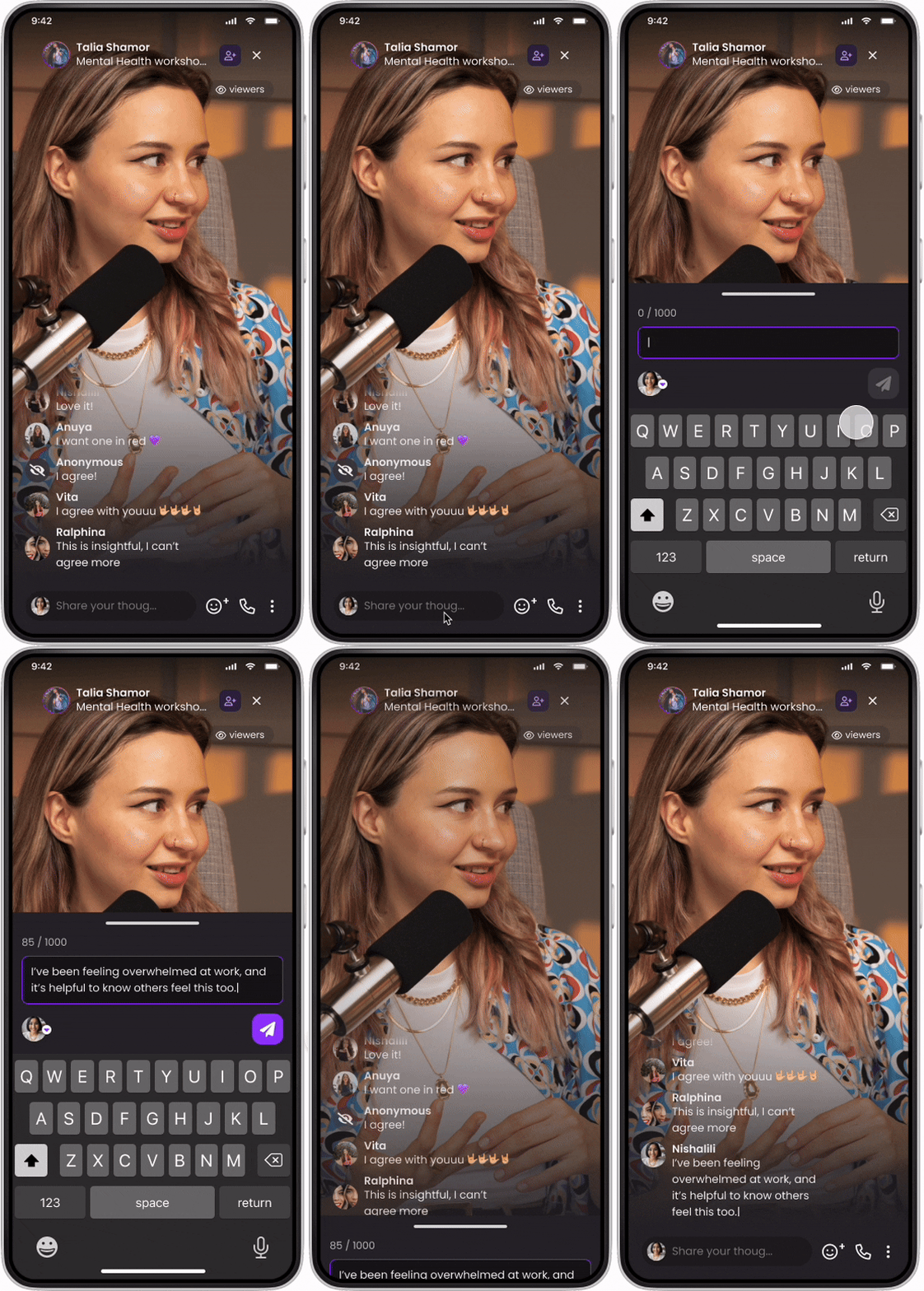
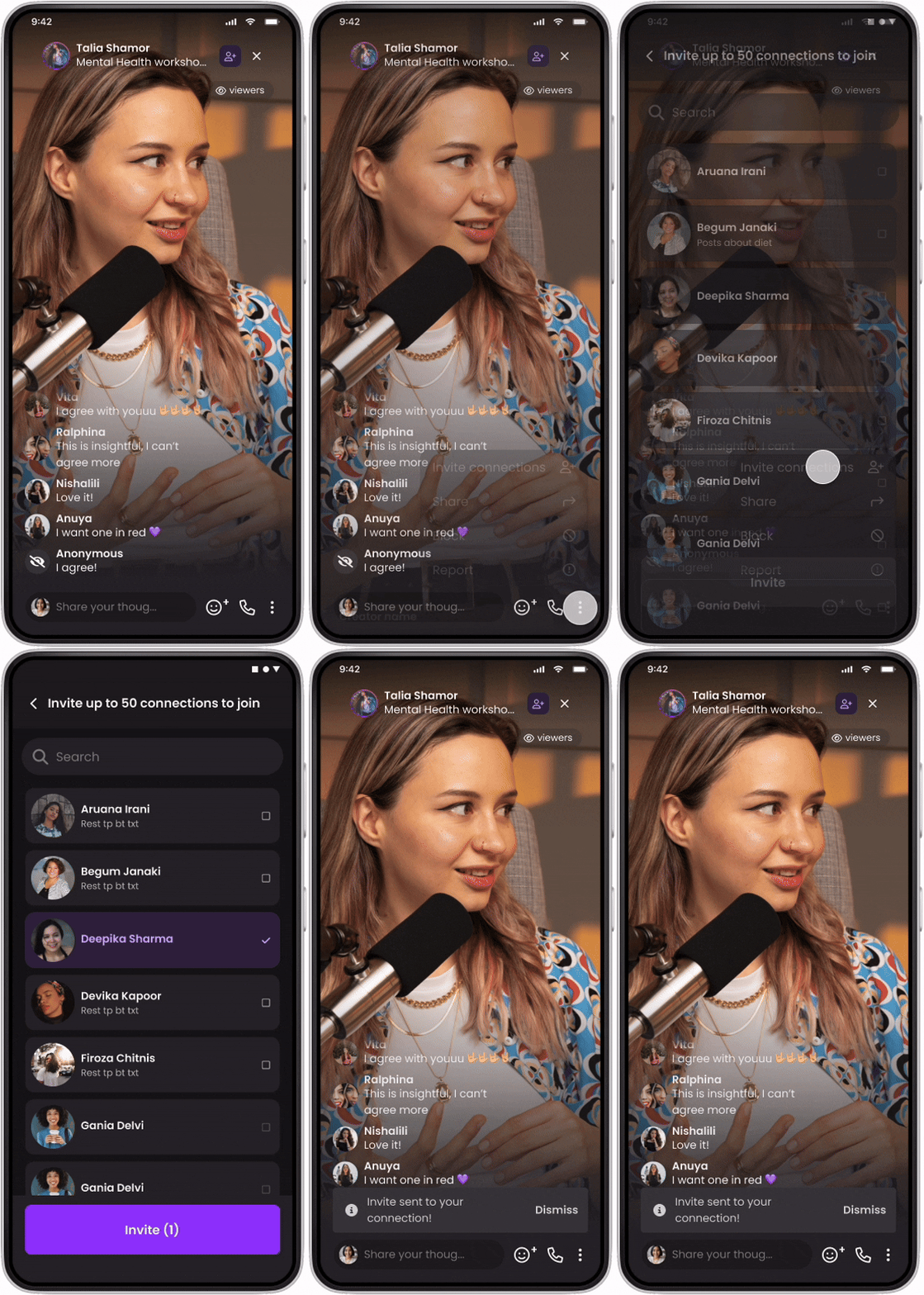
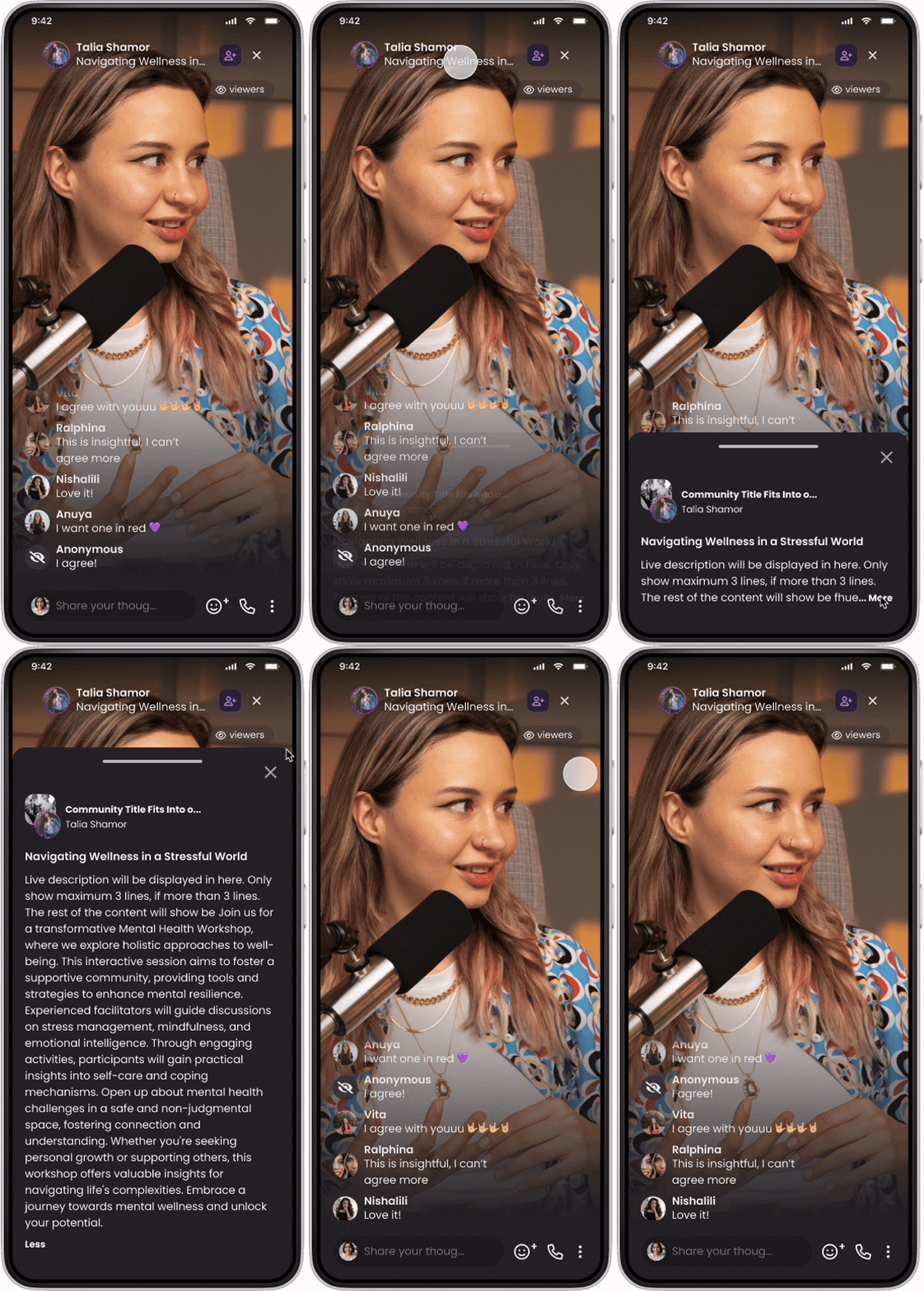
The platform initially focused on enabling experts to go live and interact with users in real time. Features such as comments, reactions, guest call-ins, and moderation tools were prioritized to encourage participation while maintaining a safe environment.
At this stage, no paid features were introduced. The goal was to enable experts to showcase their knowledge and communication style, while allowing users to explore content freely with no commitment.
Why this mattered:
Trust and perceived value needed to be established before introducing any form of monetization.
-
![]()
Leave a comment
-
![]()
Give Reactions
-
![]()
Invite friends to watch the live
-
![]()
See live room details
-
![]()
Guest call in
-
![]()
Report the live

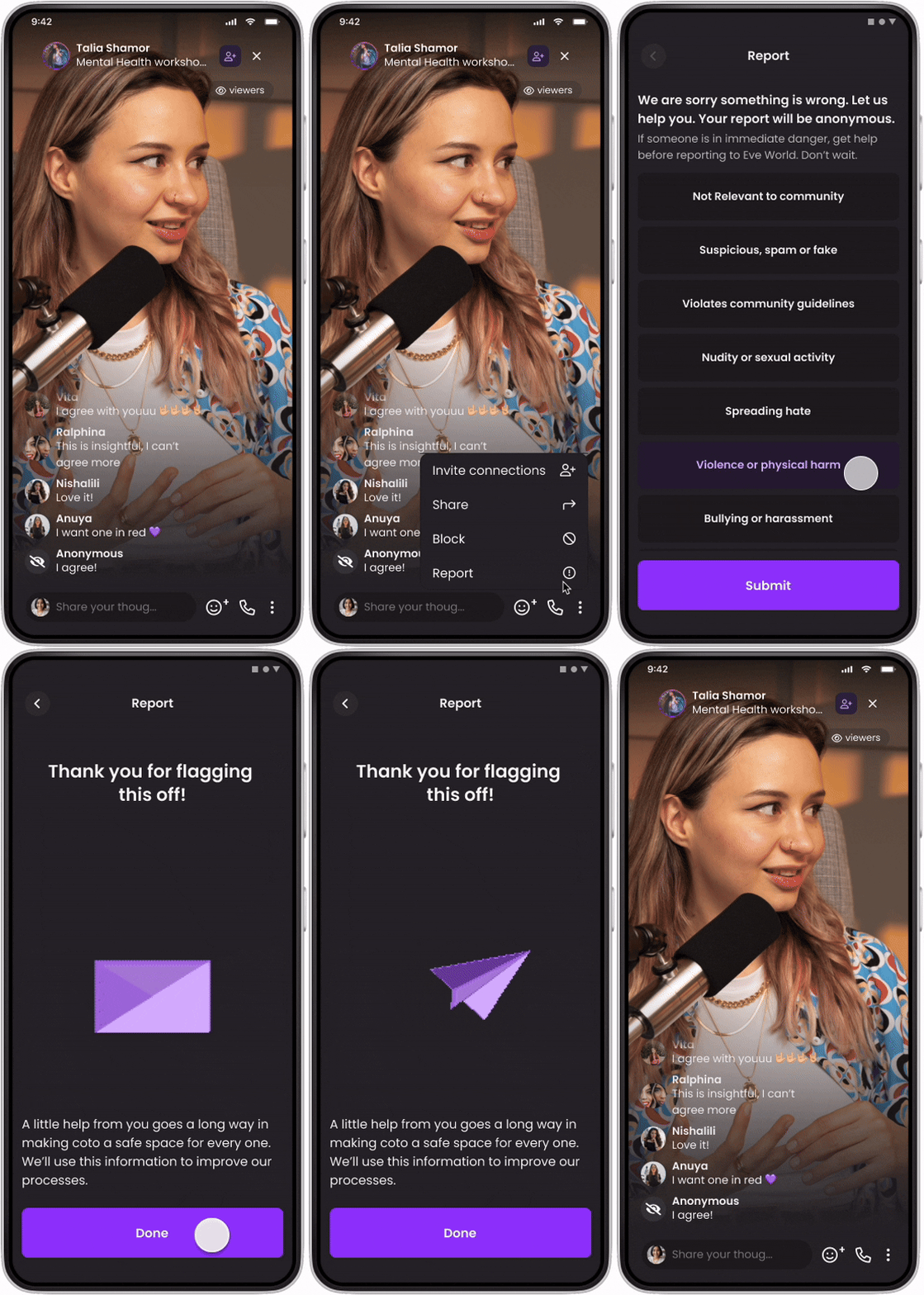
Seller profile, Seller Listing
As engagement increased, users wanted to understand more about experts beyond live sessions. To support informed decision-making, expert profiles and listings were introduced.
These surfaces allowed users to:
Discover experts by category
Review background, experience, and ratings
Understand service types and pricing
This phase shifted the experience from passive live consumption to intentional expert discovery.
Why this mattered:
Clear expert positioning and social proof reduced uncertainty and increased users’ willingness to initiate private connections.
Phase 2 —
Trust Building through Expert Profiles & Listings
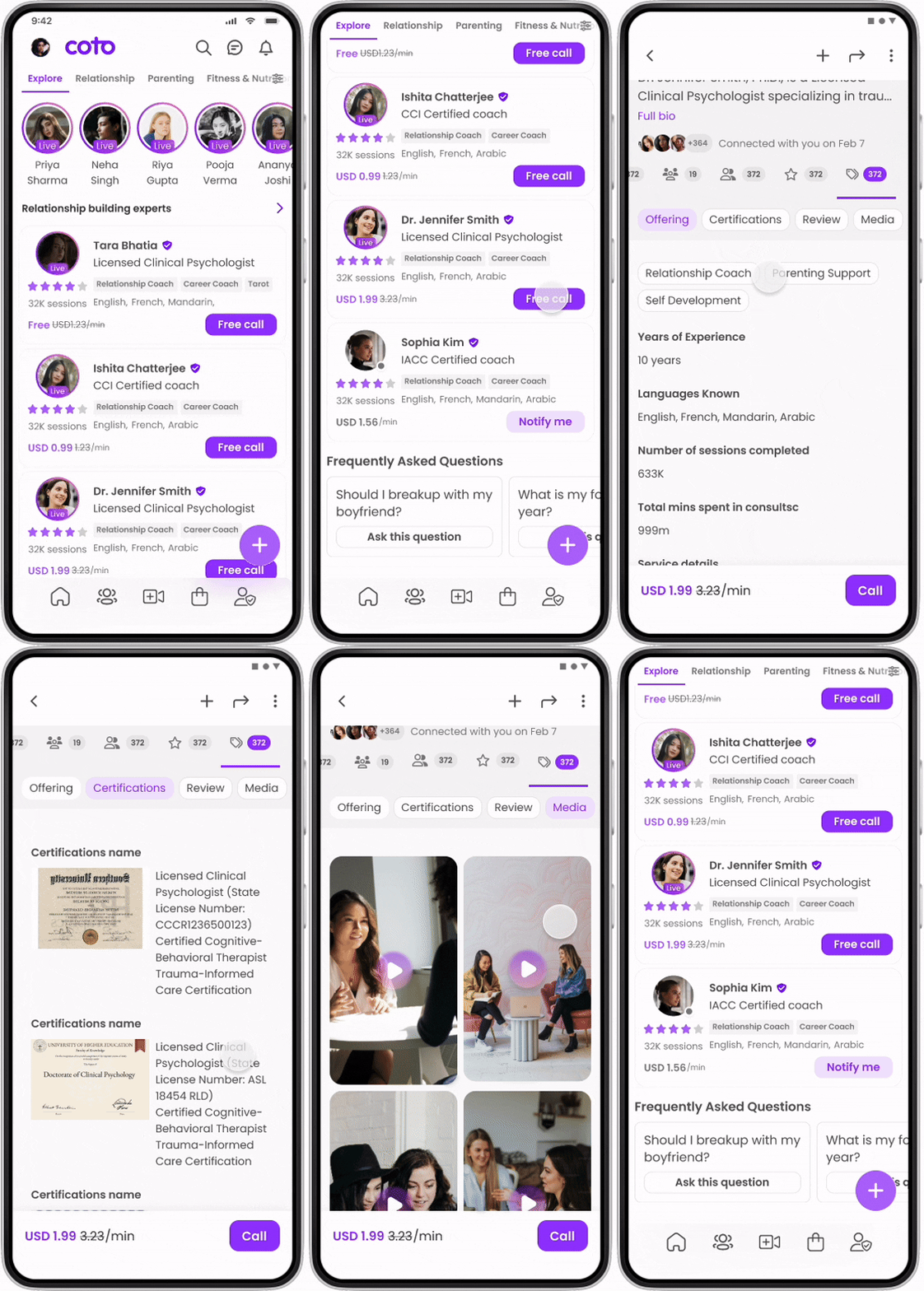
Phase 3 —
Monetization via Wallet-based Payments
With trust established, a wallet system was introduced to support paid expert services. Users could preload funds and use them instantly to start private audio, video, or text sessions.
The wallet experience included:
Balance overview and transaction history
Preset recharge amounts to reduce decision friction
Clear pricing visibility before initiating a session
Why this mattered:
Real-time interactions require fast decisions. A wallet-based system removed payment friction and kept users focused on the conversation rather than the transaction.
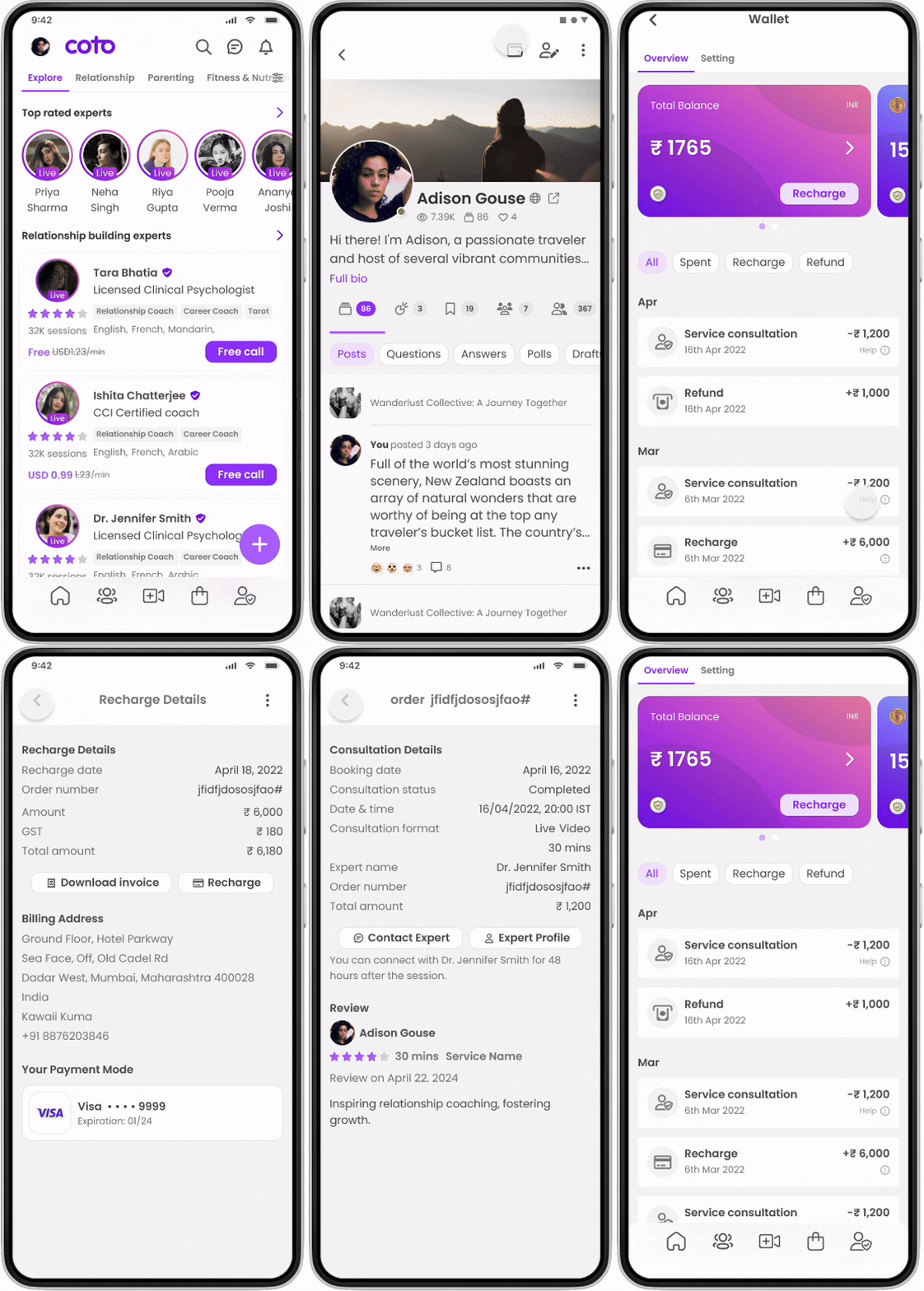
Wallet
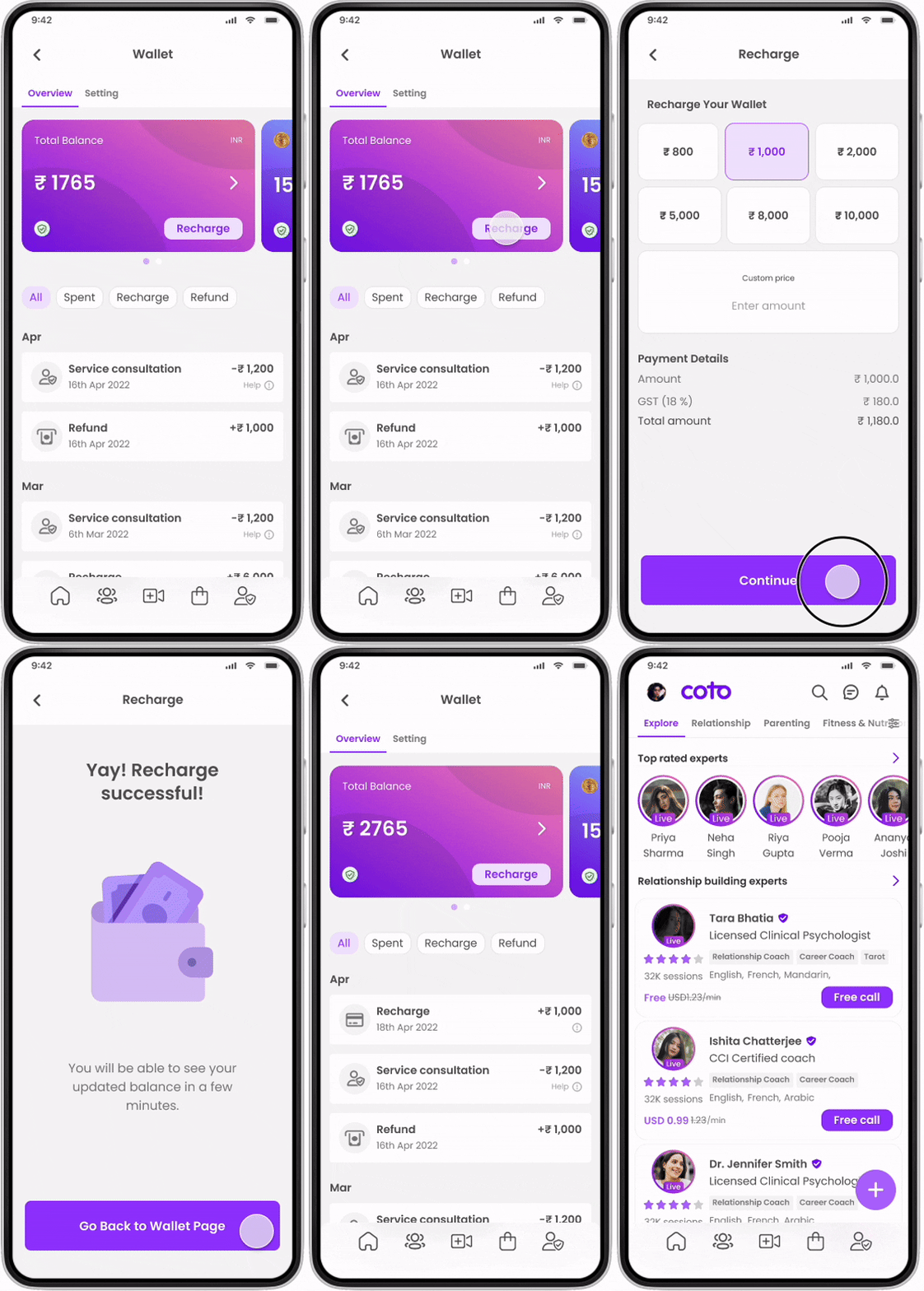
Wallet Recahrge Flow
Phase 4 —
Private Service Experience
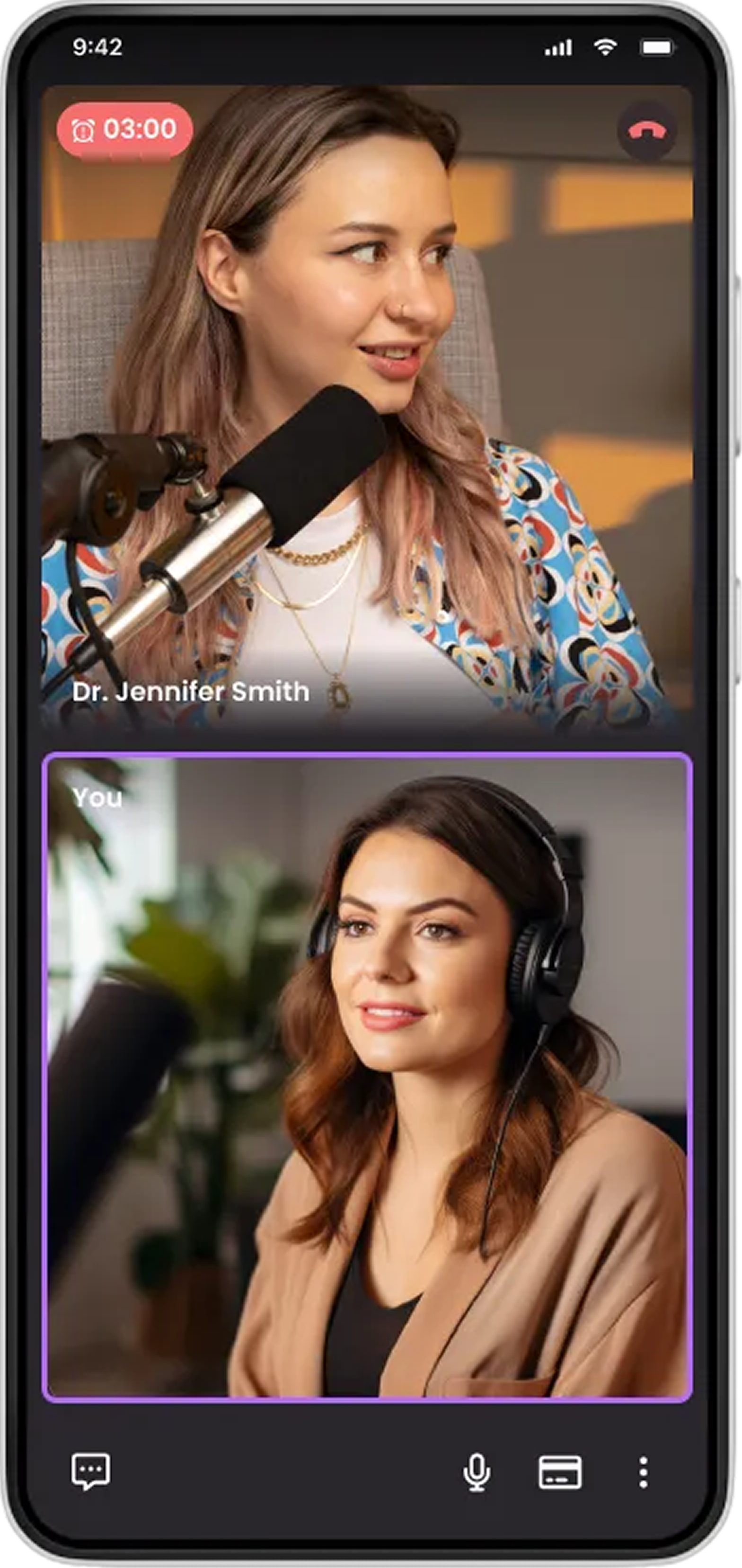
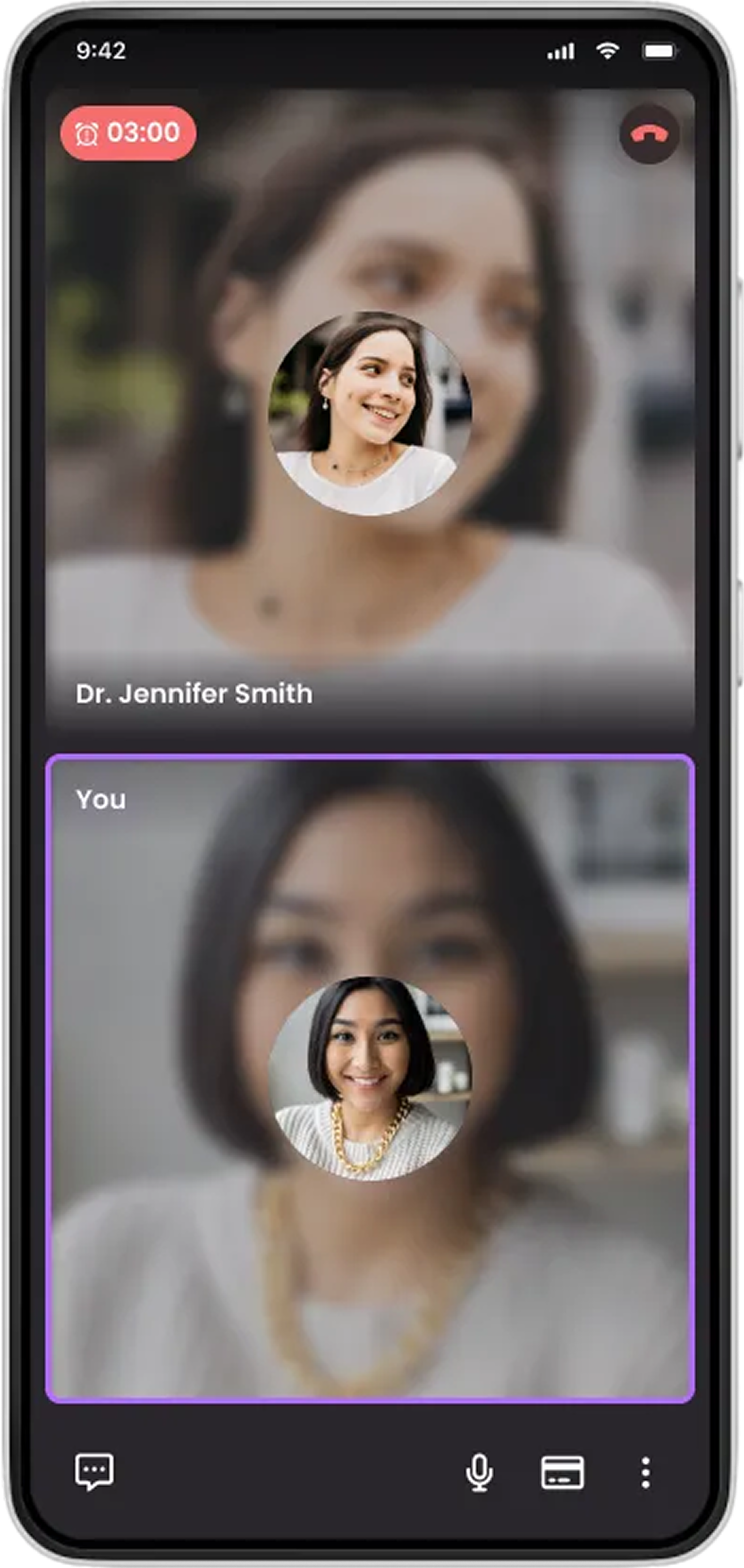
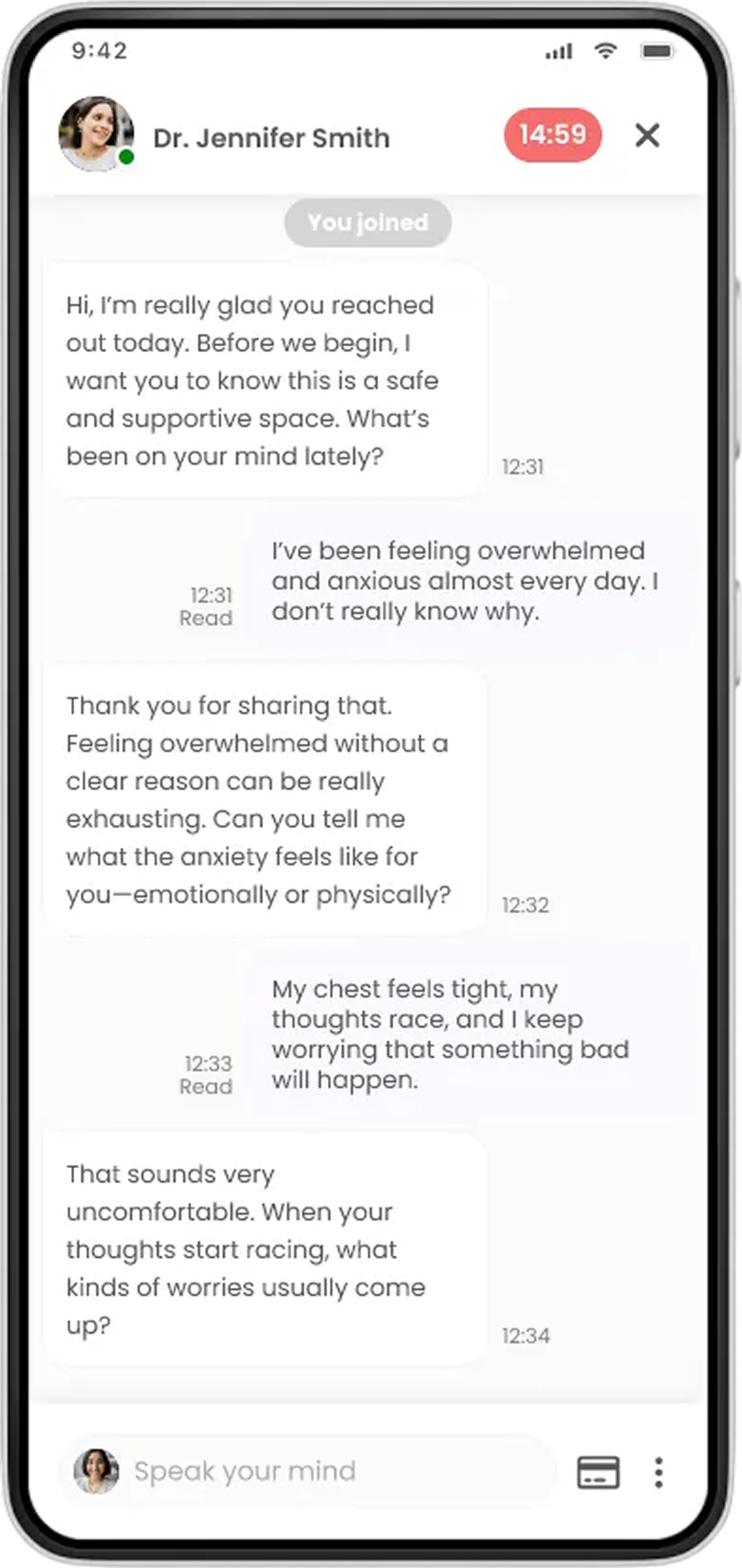
Building on the wallet system, we introduced private service experiences that allowed users to connect with experts through private audio, private video, and private text sessions.
These private sessions were designed to feel like a natural continuation of public interactions, preserving context while offering a more focused and personalized experience.
Key considerations included:
Clear session mode selection (audio, video, text)
Transparent pricing and duration expectations
Minimizing disruption when transitioning from public to private
Why this mattered:
Private services represented the core value exchange on the platform—direct, real-time access to expert guidance.
Video call
Audio call
Text message
Phase 5 —
Retention through Subscription-based Expert Access
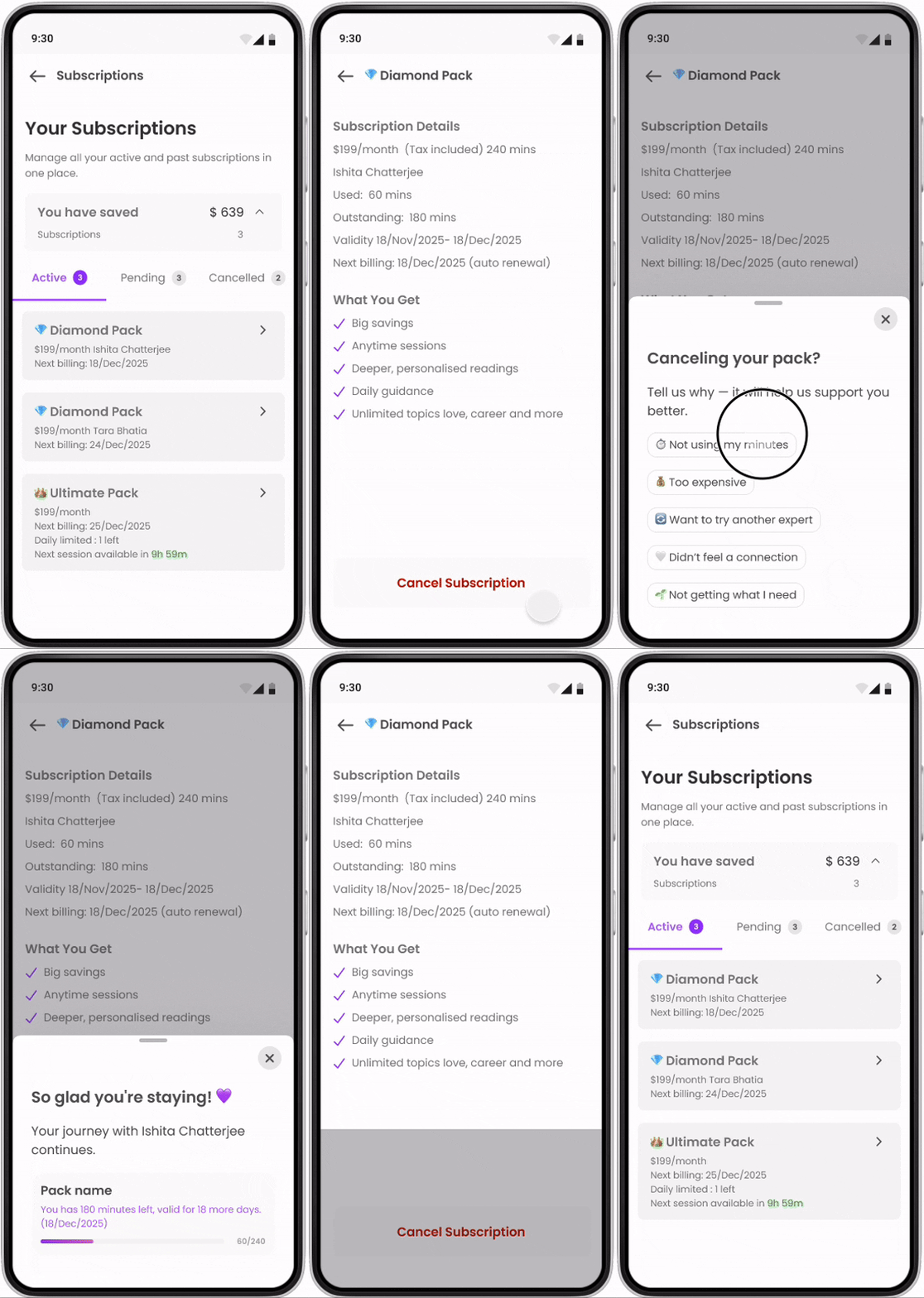
As the platform matured, we observed that users frequently returned to the same experts for ongoing guidance. One-off private sessions created repeated friction and price sensitivity.
To address this, expert-specific subscription packs were introduced. Users could subscribe on a monthly basis and receive a defined amount of connection time at a better overall price, with clear usage limits.
Why this mattered:
Subscriptions shifted the experience from transactional interactions to relationship-driven service commerce, supporting retention and predictable revenue for experts.
Key Decisions & Trade-offs
1. Monetization was introduced only after trust was established
Delaying paid features reduced early drop-off and allowed users to experience value before committing.
2. Wallet-based payments over direct checkout
This reduced friction in real-time contexts but required clear balance visibility and pricing transparency.
3. Expert-specific subscriptions instead of platform-wide plans
This reinforced personal relationships but limited cross-expert flexibility.
Outcome
After launch, users increasingly used public live sessions to evaluate experts before initiating paid connections. Wallet payments enabled faster transitions into private sessions, while subscription packs supported repeat engagement with preferred experts.
What I Learned
This project reinforced that service-based commerce depends heavily on timing and trust. Monetization works best when users have already experienced value, and real-time products require minimizing cognitive and transactional friction.
I also learned that subscriptions are most effective when they support existing behavior patterns rather than forcing new ones.